

Remote hiring teams need reliable ways to confirm that a candidate's technical claims match their actual abilities. The best developer skill verification tools are platforms that generate role-specific assessments based on job requirements and candidate resumes. These tools help recruiters and hiring managers identify genuine strengths and gaps before scheduling interviews. This approach saves time and reduces the risk of mis-hires in distributed teams. For additional details, review the .
Understanding Role-Specific Assessment Generation
Traditional coding tests often use generic questions that do not reflect the specific stack or seniority level of a role. Role-specific assessment generation is the process of creating unique evaluation tasks derived directly from a job description and a candidate's resume. This method ensures that the test questions align with the actual work the candidate will perform. For example, a senior backend engineer role requiring Go and Kubernetes will generate tasks focused on those specific technologies rather than general algorithmic puzzles.
Why Generic Tests Fail in Remote Hiring
Generic tests can lead to false positives where candidates pass easy questions but lack the specific domain knowledge required for the job. In remote environments, where face-to-face intuition is absent, precise technical verification is critical. By mapping assessment questions to specific job requirements, hiring teams can filter out candidates who may have strong general coding skills but lack the necessary specialized expertise.
Validating Candidate Claims Against Actual Performance
The Importance of Evidence-Based Screening
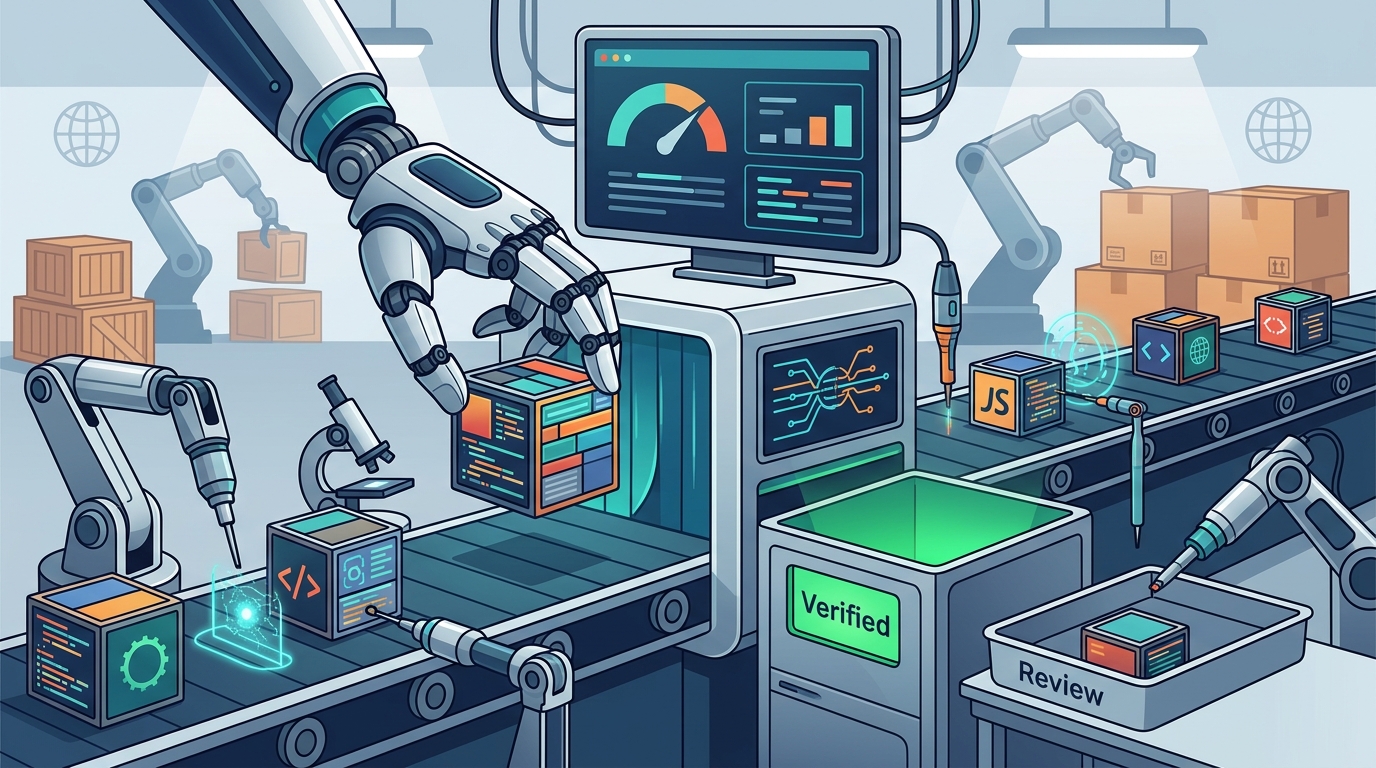
Evidence-based screening reduces the cognitive load on hiring managers by providing clear, objective data. Instead of relying on gut feelings or brief phone screens, managers can review a detailed report of the candidate's performance. This report highlights specific strengths, gaps, and claims that do not hold up under scrutiny. This level of detail allows for more informed and fairer hiring decisions.
Key Features of Modern Verification Platforms
Integrity Signals and Their Role
Integrating Verification into the Hiring Workflow
Effective verification tools integrate seamlessly into existing applicant tracking systems and hiring workflows. This integration ensures that assessment data is easily accessible to all stakeholders. For example, a hiring manager can view a candidate's assessment report directly within their ATS profile. This streamlined process reduces administrative overhead and accelerates the hiring cycle.
Reducing Time-to-Hire
By filtering out unqualified candidates early in the process, verification tools can significantly reduce time-to-hire. This is especially beneficial for remote teams that may be spread across different time zones. Faster hiring cycles allow companies to secure top talent before their competitors do. Additionally, a more efficient process improves the candidate experience by providing quicker feedback.
Choosing the Right Tool for Your Team
Evaluating Vendor Capabilities
Key Takeaways
- Role-specific assessments are more effective than generic tests for remote hiring.
- Claim validation helps identify discrepancies between resume claims and actual performance.
- Integrity signals provide useful flags but are not definitive proof of cheating.
- Seamless integration with existing hiring workflows improves efficiency.
- Choosing the right tool depends on your team's specific technical needs.
Frequently Asked Questions
What is a developer skill verification tool?
A developer skill verification tool is a platform that generates and administers assessments to confirm a candidate's technical abilities against job requirements.
How do role-specific assessments work?
Role-specific assessments are created based on the job description and the candidate's resume, ensuring that the test questions are relevant to the specific role.
Can these tools prevent cheating?
These tools provide integrity signals that flag potential issues, but they do not guarantee that cheating is prevented or eliminated.
Are verification tools a replacement for interviews?
How do I choose the right verification tool?
What is claim validation?
Claim validation is the process of comparing a candidate's self-reported skills with their demonstrated performance during an assessment.
Do these tools work for all types of roles?
These tools are most effective for technical roles, such as engineering, product, and marketing, where specific skills can be objectively assessed.