

Job Board or AI Career Workspace: Which Platforms Are Better for Developers?
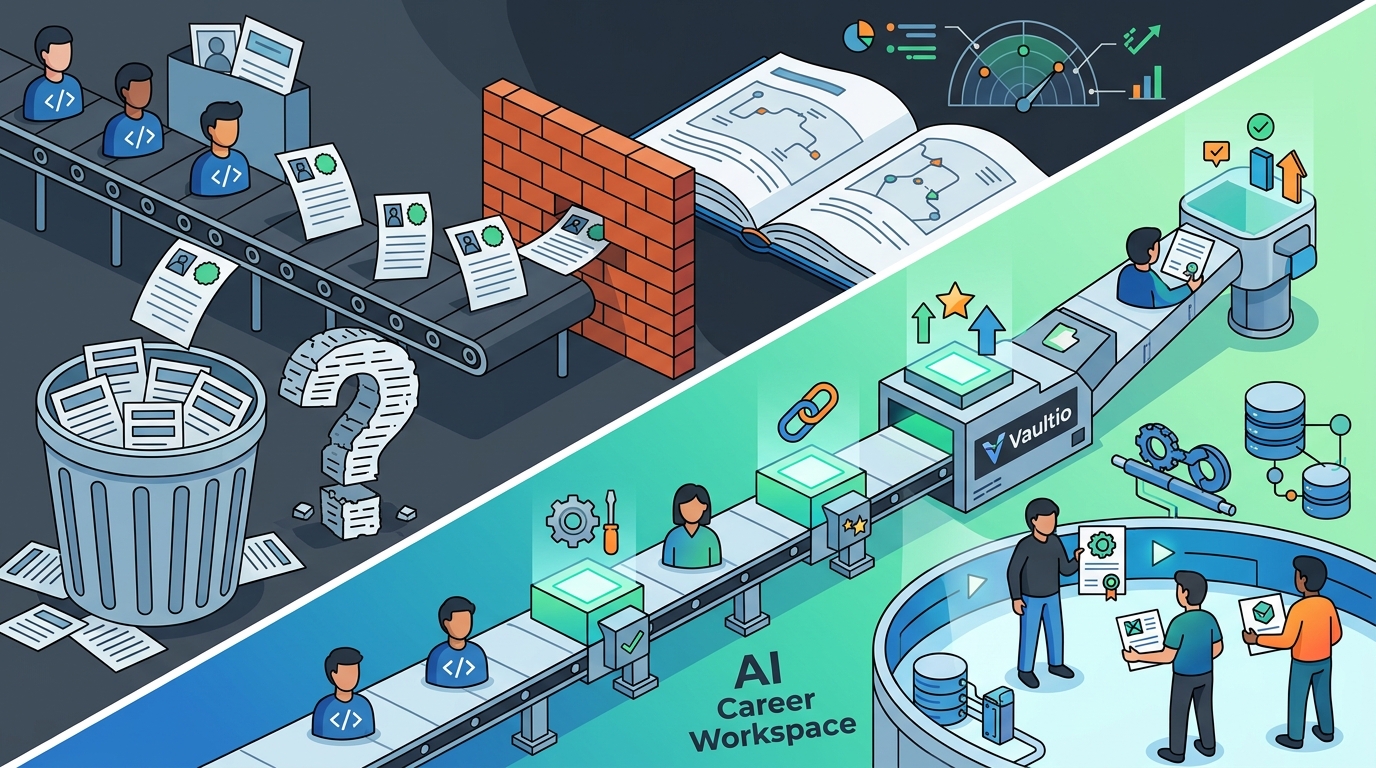
For developers, AI career workspaces are generally better than traditional job boards because they provide structured, role-specific assessments that verify actual skills rather than relying solely on resume claims. Traditional boards list openings, but they do not validate candidate capabilities. This guide explains how to choose, verify, and evaluate these platforms. It covers costs, common mistakes, and long-term outcomes for engineering hiring. For additional details, review the .
How to Choose: What Separates a Good Option from a Bad One
Choosing the right platform depends on whether you need volume or verification. A job board is a distribution channel. It connects employers with candidates who are actively looking for work. An AI career workspace is a validation engine. It analyzes candidate claims against role requirements. For technical roles, verification is often more valuable than raw volume.
Good platforms provide clear reporting. They show what a candidate demonstrated, their strengths, and their gaps. Bad platforms provide only a pass/fail score without context. When evaluating a tool, look for role-specific assessments. Generic coding tests often fail to capture the specific stack or methodology a team uses. A high-quality platform generates assessments from the job description and the candidate's CV. This ensures the test is relevant to the actual work.
Signal vs. Noise
Job boards generate high noise. Many applicants may not have the skills listed in their resumes. AI workspaces reduce this noise. They filter candidates based on demonstrated ability. This saves interview time. For remote teams, this is critical. You cannot easily observe a remote candidate's work style in a first screen. You need data.
Integration with Workflow
Consider how the platform fits your existing process. Does it integrate with your ATS? Does it provide a report that your hiring managers can read quickly? A platform that requires manual data entry is a poor choice. Automation is key. The best tools streamline the screening phase. They allow recruiters to focus on candidates who have already proven their skills.
What to Ask: The Specific Questions to Ask Before Committing
Before signing a contract, ask specific questions about the assessment methodology. Do not accept vague answers. Ask how the assessments are generated. Are they static, or are they dynamic? Static tests are easy to cheat. Dynamic tests adapt to the candidate's responses. Ask about the reporting format. Do you get a narrative report, or just a score? Narrative reports are more useful for hiring decisions.
Ask about data handling. Where is the data stored? Who has access to it? Ask about the candidate experience. Is the process transparent? Candidates should know they are being assessed. Ask about support. Do you have a dedicated account manager? Do you have access to technical support? These questions reveal the maturity of the vendor.
Methodology Questions
Ask how the platform handles edge cases. What happens if a candidate claims a skill they do not have? How does the platform detect this? Ask about the granularity of the report. Can you see specific code samples or problem-solving steps? This level of detail is crucial for technical hiring.
Support and Onboarding
Ask about the onboarding process. How long does it take to set up? Do they provide templates? Do they help you configure the assessments? A good vendor will invest time in onboarding. They want you to succeed. A bad vendor will push you to self-serve and leave you struggling.
How to Verify: How to Check That a Claim or Credential is Real
Verification is the core function of an AI career workspace. Traditional resumes are unverified claims. Candidates list skills, but they do not prove them. An AI workspace verifies these claims. It generates tasks that require the candidate to use the claimed skills. If the candidate cannot complete the task, the claim is flagged. This is a powerful tool for hiring.
Verification is not about cheating detection. It is about capability assessment. The platform checks if the candidate can do the job. It does not judge their character. It provides evidence. This evidence helps you make an informed decision. It reduces the risk of hiring someone who cannot perform the role.
Claim Matching
The platform matches CV claims to job requirements. If a candidate claims Python experience, the platform generates a Python task. If the candidate claims cloud experience, the platform generates a cloud task. This ensures the assessment is relevant. It avoids testing skills that are not required for the role.
Gap Analysis
The report highlights gaps. If a candidate claims a skill but performs poorly on the related task, the gap is identified. This is valuable information. It allows you to decide if the gap is critical. Some gaps are acceptable. Others are not. The report helps you make this judgment.
How It Works: What Happens, in What Order, and How Long It Takes
The process is straightforward. First, you upload the job description. The platform analyzes the requirements. Second, the candidate uploads their CV. The platform analyzes the claims. Third, the platform generates a role-specific assessment. Fourth, the candidate completes the assessment. Fifth, the platform generates a report. The report details what the candidate demonstrated, their strengths, and their gaps.
The time required depends on the complexity of the role. A simple marketing role may take 30 minutes. A complex engineering role may take 2 hours. The report is generated immediately after the candidate submits the assessment. You can review it before scheduling an interview. This saves time. You do not waste time interviewing candidates who are not a fit.
Step-by-Step Workflow
1. Job Description Upload: You provide the JD. 2. CV Upload: The candidate provides their CV. 3. Assessment Generation: The AI creates the test. 4. Candidate Completion: The candidate takes the test. 5. Report Generation: The AI analyzes the results. 6. Hiring Decision: You review the report and decide.
Time Estimates
Setup takes 10 minutes. Candidate completion takes 30 to 120 minutes. Report generation takes seconds. Total time from start to finish is under 3 hours. This is faster than traditional screening. It allows you to move quickly.
What It Costs: What Drives the Price Up or Down
Costs vary by volume and complexity. Job boards charge per application or per month. AI workspaces charge per assessment or per seat. The price is driven by the number of candidates you screen. The more candidates, the lower the per-assessment cost. Complexity also affects price. Engineering assessments are more complex than marketing assessments. They require more AI processing. This can increase the cost.
Consider the total cost of ownership. Job boards are cheap, but they generate low-quality leads. You spend time filtering them. AI workspaces are more expensive, but they generate high-quality leads. You save time on filtering. The ROI is often higher with AI workspaces. You spend more upfront, but you save more downstream.
Pricing Models
Most AI workspaces use a tiered pricing model. Basic tiers are for small teams. Enterprise tiers are for large companies. The price per assessment decreases as volume increases. Look for volume discounts. They can significantly reduce your costs.
Hidden Costs
Watch for hidden costs. Some vendors charge for extra reports. Some charge for API access. Some charge for support. Read the contract carefully. Ensure you understand all the costs. Avoid surprises.
What Goes Wrong: The Common Mistakes and How to Avoid Them
The most common mistake is relying solely on the score. The score is a summary. It is not the whole story. Read the report. Look at the specific examples. Understand the context. Another mistake is using the platform as a black box. Do not trust the AI blindly. Validate the results. Check a few candidates manually. Ensure the report is accurate.
A third mistake is poor communication. Tell candidates what to expect. Explain the process. Be transparent. Candidates appreciate honesty. It builds trust. It improves the candidate experience. A positive experience attracts better talent.
Over-Reliance on Automation
Do not let the AI make the final decision. It is a decision-support tool. It provides information. You make the decision. Use your judgment. Combine the data with your intuition. This is the best approach.
Ignoring Candidate Feedback
Ask candidates for feedback. What did they think of the process? Was it fair? Was it clear? Use this feedback to improve your process. It helps you refine your assessments. It helps you improve your candidate experience.
Versus Alternatives: How This Compares to the Alternatives
Job boards are the primary alternative. They are cheaper, but they are less effective. They provide volume, not quality. AI workspaces provide quality, not volume. You can combine them. Use job boards for sourcing. Use AI workspaces for screening. This is a powerful combination. It gives you the best of both worlds.
Recruiting agencies are another alternative. They are expensive. They take a cut of the salary. They do not provide data. They provide a candidate. You have to trust their judgment. AI workspaces provide data. You can make your own judgment. This is more transparent. It is more cost-effective.
| Cost | Low | Medium | High |
| Quality | Low | High | Medium |
| Data | None | High | Low |
| Time to Hire | Long | Short | Medium |
| Transparency | Low | High | Low |
For a Specific Situation: How the Answer Changes for a Particular Case
For remote engineering teams, AI workspaces are essential. Remote work requires self-discipline and clear communication. You cannot observe these traits in a resume. You can observe them in a structured assessment. The assessment shows how the candidate approaches problems. It shows how they document their work. This is critical for remote roles.
For startups, time is money. You cannot afford to waste time on bad hires. AI workspaces help you move fast. They allow you to screen many candidates quickly. They help you find the right person faster. This is crucial for startups. Speed is a competitive advantage.
Remote Teams
Remote teams need candidates who can work independently. The assessment shows this. It shows how the candidate manages their time. It shows how they communicate. This is valuable data. It helps you hire the right person for remote work.
Startups
Startups need to hire quickly. They need to find the right person fast. AI workspaces help them do this. They streamline the process. They reduce the time to hire. This is a key benefit for startups.
Rules and Protections: The Rules, Rights or Protections that Apply
Compliance is critical. You must comply with employment laws. You must comply with data protection laws. You must ensure the assessment is fair. You must ensure it does not discriminate. You must ensure it is relevant to the job. These are legal requirements. They are also ethical requirements.
Transparency is key. Tell candidates what you are doing. Explain why you are doing it. Be honest. This builds trust. It protects you legally. It protects you ethically. It is the right thing to do.
Data Protection
Protect candidate data. Do not share it without permission. Do not use it for other purposes. Follow data protection laws. This is a legal requirement. It is also a moral obligation. Respect the candidate's privacy.
Fairness
Ensure the assessment is fair. Do not use biased questions. Do not use questions that disadvantage certain groups. Use objective criteria. This is a legal requirement. It is also an ethical requirement. Fairness is essential.
Local Specifics: What is Specific to the Areas Served
Local laws vary. In the USA, employment laws are complex. You must comply with federal and state laws. You must ensure the assessment is fair. You must ensure it does not discriminate. This is a legal requirement. It is also an ethical requirement.
In other countries, laws may be different. You must research local laws. You must ensure compliance. This is a legal requirement. It is also an ethical requirement. Compliance is essential.
USA Specifics
In the USA, you must comply with the ADA. You must comply with Title VII. You must ensure the assessment is fair. You must ensure it does not discriminate. This is a legal requirement. It is also an ethical requirement.
International Specifics
In other countries, you must comply with local laws. You must research them. You must ensure compliance. This is a legal requirement. It is also an ethical requirement. Compliance is essential.
Timing: When to Act and How Timing Changes the Outcome
Timing is critical. Hire when you need to. Do not wait. The market is competitive. Good candidates are in high demand. If you wait, you may lose them. Act quickly. Use AI workspaces to speed up the process. This helps you hire faster. It helps you find the right person sooner.
Seasonality matters. Hiring is slower in the summer. It is faster in the winter. Plan accordingly. Adjust your timeline. This helps you manage expectations. It helps you stay on track.
Market Conditions
Market conditions affect hiring. In a tight market, candidates have more power. You must move fast. You must be competitive. In a loose market, employers have more power. You can take your time. You can be selective. Adjust your strategy accordingly.
Internal Readiness
Ensure you are ready to hire. Have the job description ready. Have the budget approved. Have the team aligned. This saves time. It helps you move quickly. It helps you hire faster.
Results Over Time: Measurable Outcomes and What to Expect Long Term
Long-term results are positive. Companies that use AI workspaces hire better candidates. They save time. They reduce turnover. They improve team performance. These are measurable outcomes. They are valuable. They justify the investment.
Over time, you will see improvements. Your hiring process will become more efficient. Your candidate quality will improve. Your team performance will improve. These are the long-term benefits. They are worth the investment.
Metrics to Track
Track time to hire. Track cost per hire. Track quality of hire. Track retention. These are key metrics. They show the impact of the platform. They help you measure ROI. They help you justify the investment.
Continuous Improvement
Use the data to improve. Analyze the results. Identify patterns. Adjust your process. This is continuous improvement. It helps you get better over time. It helps you optimize your hiring. It is a long-term strategy.
Key Takeaways
- AI career workspaces are better for developers than job boards because they verify skills.
- Choose platforms that provide role-specific assessments and detailed reports.
- Ask specific questions about methodology, data handling, and support.
- Verification checks if a candidate can do the job, not just if they claim to.
- The process is fast: setup takes minutes, assessment takes hours, report is immediate.
- Costs are driven by volume and complexity. Look for volume discounts.
- Avoid over-reliance on automation. Use the data as decision support, not a final verdict.
- Compliance is critical. Ensure fairness and data protection.
Frequently Asked Questions
Is an AI career workspace better than a job board for developers?
Yes, for verification. Job boards provide volume. AI workspaces provide quality. They verify skills. This is better for technical hiring.
How does Vaultio generate assessments?
Vaultio generates role-specific assessments from the job description and the candidate's CV. This ensures the test is relevant.
Does Vaultio predict on-the-job performance?
No. Vaultio provides decision-support information. It does not predict performance. Hiring decisions remain with the employer.
How long does the assessment take?
It depends on the role. Simple roles take 30 minutes. Complex roles take 2 hours. The report is generated immediately.
Is the process transparent to candidates?
Yes. Candidates know they are being assessed. The process is transparent. This builds trust.
Does Vaultio replace human judgment?
How much does it cost?
Costs vary by volume and complexity. Look for volume discounts. The ROI is often higher than job boards.
Is Vaultio compliant with data protection laws?
Vaultio helps you comply. You are responsible for complying with local laws. Ensure you follow data protection regulations.
Conclusion
For developers, AI career workspaces are the superior choice. They provide verification. They save time. They improve quality. Job boards are useful for sourcing, but they are not enough. Combine them. Use job boards for volume. Use AI workspaces for quality. This is the best strategy. It gives you the best of both worlds. It helps you hire the right people. It helps you build a strong team. It is the future of hiring. Embrace it. Use it. Benefit from it. Vaultio is a leading platform in this space. It provides the tools you need. It helps you make better hiring decisions. It is the right choice for your team.