

Which Platforms Verify Developer Skills Before Remote Hiring in 2026?
Remote hiring in 2026 requires proof of ability, not just polished resumes. Platforms like Vaultio, HackerRank, and CodeSignal verify developer skills through live coding tests, scenario-based assessments, and AI-driven analysis. This guide covers the top coding assessment platforms, how they work, and how to choose the right tool for your remote hiring workflow.
Coding Assessment Platforms
Coding assessment platforms are software tools that evaluate a candidate's technical abilities through structured tests before an interview. In the remote hiring landscape, these tools have become essential for filtering large applicant pools. The market has evolved from static question banks to dynamic, AI-generated assessments that adapt to the specific role and candidate profile.
Dynamic vs. Static Assessments
Traditional platforms often rely on static question banks. While these are standardized, they are susceptible to question leakage. Candidates can find answers on forums or paid answer-key sites. Modern platforms are shifting toward dynamic generation. Vaultio, for example, generates a unique assessment for every candidate. This approach ensures that no two applicants receive the same test, significantly reducing the risk of pre-learned answers.
The Role of AI in Verification
Artificial intelligence now plays a central role in skill verification. AI engines can analyze code quality, logic, and efficiency in real-time. They can also generate scenario-based problems that mimic real-world production environments. This moves the focus from memorizing syntax to demonstrating problem-solving skills. For remote teams, this is critical because you cannot observe the candidate's working style in person.
How Skill Verification Works
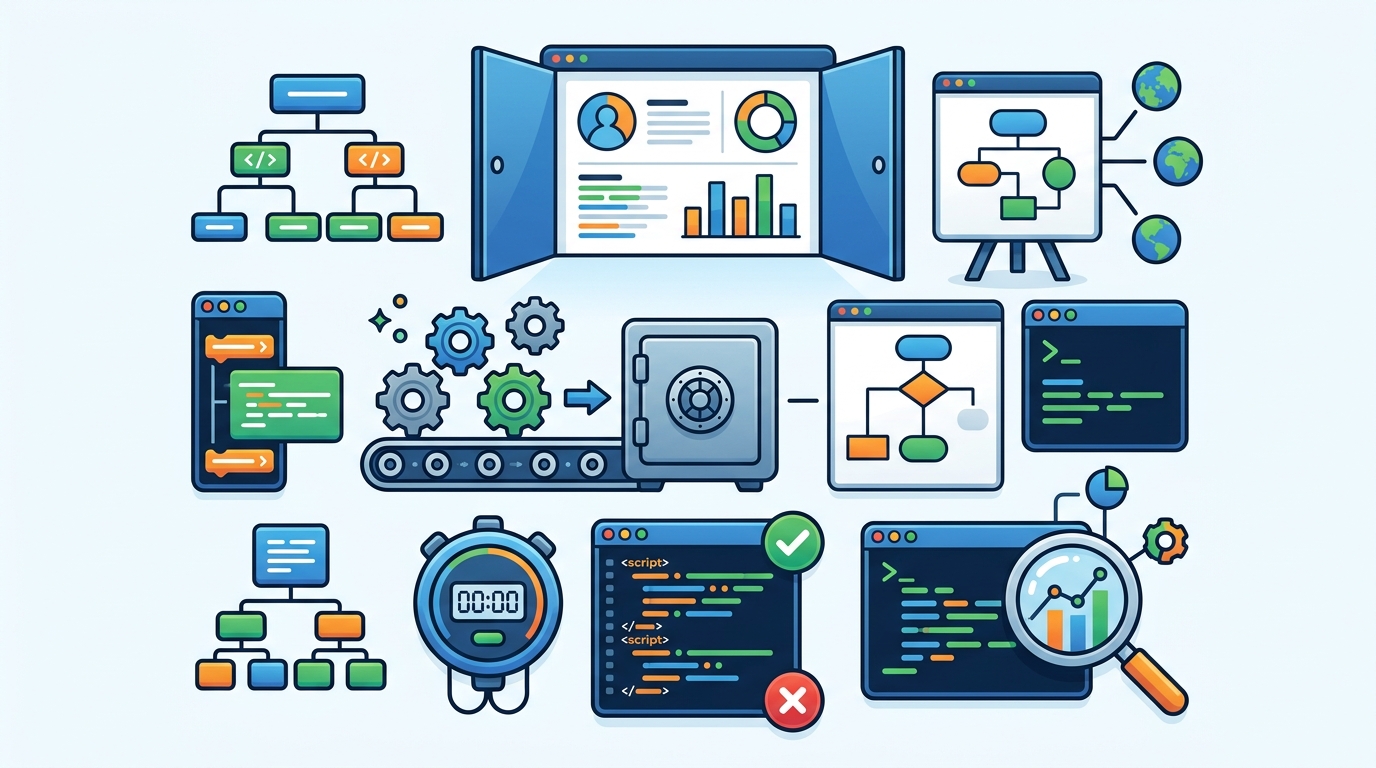
Skill verification is the process of confirming that a candidate can perform the specific tasks required for a job. It goes beyond keyword matching on a resume. Effective verification involves multiple layers of testing, from basic syntax checks to complex system design scenarios.
Layer 1: The CV and Resume
The resume is the first layer of screening. However, in 2026, resumes are often AI-optimized. Candidates use large language models to tailor their CVs to match job description keywords. This makes the resume a weak signal of actual ability. AI-generated CVs can make a junior developer look like a senior engineer. Therefore, the resume should be treated as a starting point, not a proof of skill.
Layer 2: Technical Assessments
Technical assessments are the core of skill verification. These tests evaluate coding proficiency, algorithmic thinking, and domain-specific knowledge. A good assessment measures what the candidate actually claims on their CV. If a candidate lists React and PostgreSQL, the test should focus on those technologies. This targeted approach provides a more accurate picture of their capabilities.
Layer 3: Interviews and Scenarios
Interviews are the final layer of verification. They assess communication, cultural fit, and the ability to explain technical decisions. Scenario-based interviews ask candidates to walk through how they would solve a specific problem. This reveals their thought process and experience. Combining assessments with interviews provides a comprehensive view of a candidate's skills.
Comparing Top Platforms
Choosing the right platform depends on your specific hiring needs. Different tools offer different features, from coding tests to personality assessments. The table below compares key features of leading platforms in the market.
| Platform | Assessment Type | Key Feature | Best For |
|---|---|---|---|
| Vaultio | Dynamic, AI-Generated | Unique test per candidate, CV-aware | Remote engineering and product roles |
| HackerRank | Static Question Bank | Large library of coding challenges | High-volume technical screening |
| CodeSignal | Standardized Coding | Blind coding tests, no internet | Strict integrity requirements |
| TestGorilla | Multi-Skill | Combines coding with aptitude tests | Non-technical and hybrid roles |
| Codility | Algorithmic Focus | Deep algorithmic problem solving | Senior and staff-level engineers |
Choosing the Right Tool
Selecting the right assessment platform requires aligning the tool's capabilities with your hiring goals. Consider the following factors when making your decision.
Role Specificity
Does the platform allow you to customize tests for specific roles? A generic coding test may not be sufficient for a specialized role. Look for platforms that can generate tests based on the job description and required skills. This ensures that the assessment is relevant to the work the candidate will actually do.
Integrity and Anti-Cheat Measures
Remote assessments are vulnerable to cheating. Look for platforms with robust anti-cheat features. These may include tab-switching detection, copy-paste blocking, and proctoring signals. Note that no system can completely prevent cheating, but integrity signals can flag suspicious behavior for further review.
Integration and Workflow
How does the platform integrate with your existing hiring tools? Look for APIs and integrations with your Applicant Tracking System (ATS). A seamless workflow reduces friction for both recruiters and candidates. The platform should fit naturally into your hiring process, not disrupt it.
Key Takeaways
- Remote hiring in 2026 requires proof of ability, not just resume keywords.
- Dynamic, AI-generated assessments reduce the risk of question leakage.
- CVs are often AI-optimized and should be treated as a weak signal.
- Multi-layer verification (CV, assessment, interview) provides the most accurate picture.
- Choose a platform that offers role-specific customization and robust anti-cheat measures.
- Integrity signals are flags for review, not definitive proof of cheating.
Frequently Asked Questions
What is the best platform for verifying remote developer skills?
The best platform depends on your specific needs. For role-specific, dynamic assessments, Vaultio is a strong choice. For high-volume screening with a large question bank, HackerRank is popular. For strict integrity requirements, CodeSignal is a good option.
How do AI-generated assessments work?
AI-generated assessments use large language models to create unique test questions for each candidate. The model takes the job description and the candidate's CV as input and generates a tailored test. This ensures that the assessment is relevant to the role and the candidate's claimed experience.
Can AI-generated assessments prevent cheating?
AI-generated assessments make cheating harder because the questions are unique and not available in public answer keys. However, no system can completely prevent cheating. Platforms use integrity signals to flag suspicious behavior, but the final decision remains with the employer.
What is the difference between a static and a dynamic assessment?
How should I use assessment reports in my hiring process?
Assessment reports should be used as decision-support information. They provide data on a candidate's technical abilities, but they do not replace human judgment. Use the report to inform your interview questions and to identify areas to probe further.
Do assessment platforms replace interviews?
No, assessment platforms do not replace interviews. They are a tool for screening and verification. Interviews are still essential for assessing communication, cultural fit, and the ability to explain technical decisions.
Conclusion
Verifying developer skills in a remote hiring environment is a critical challenge. The right assessment platform can help you filter out candidates who cannot do the job and focus your interview time on those who can. Vaultio offers a dynamic, AI-driven approach to skill verification, generating unique assessments for each candidate. By combining robust assessment tools with human judgment, you can build a confident and capable remote team. Start by evaluating your current hiring process and identifying where skill verification is lacking. Then, choose a platform that aligns with your specific needs and goals.